


RF Communications
Radio frequency systems carry commands, telemetry, voice, video, and mission data through bands such as S, X, Ku, and Ka.

How It Works
Space communications systems transmit commands, telemetry, voice, video, science data, navigation information, and internet traffic through radio frequency and optical links.

Core Technologies
Modern space communications combine orbital infrastructure, ground systems, spectrum management, real-time telemetry, and increasingly optical links.


Radio frequency systems carry commands, telemetry, voice, video, and mission data through bands such as S, X, Ku, and Ka.
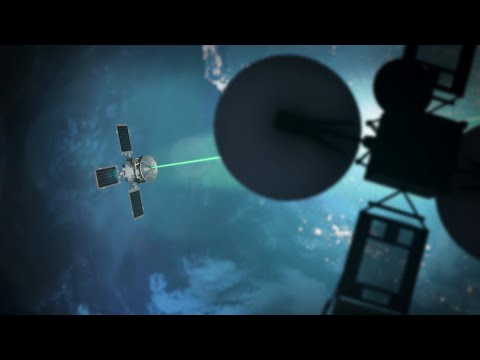
Laser communications can move larger data volumes through narrow, high-bandwidth beams between spacecraft, relays, and Earth.
Relay spacecraft help maintain contact when direct line-of-sight to a ground station is not available.
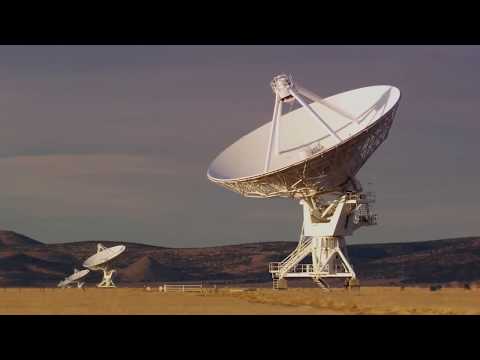
Large antennas and gateway terminals receive satellite data, send commands, and connect space systems to terrestrial networks.
Telemetry reports position, power, temperature, speed, signal quality, and system health for mission control teams.
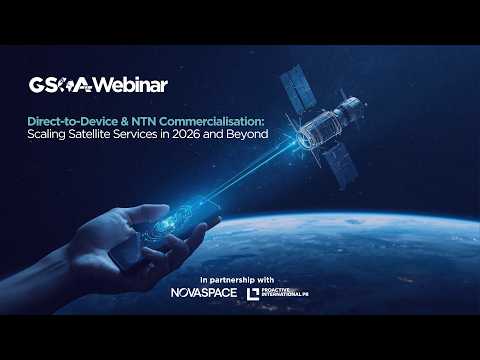
New satellite networks are moving toward direct links with phones, vehicles, sensors, aircraft, ships, and remote communities.
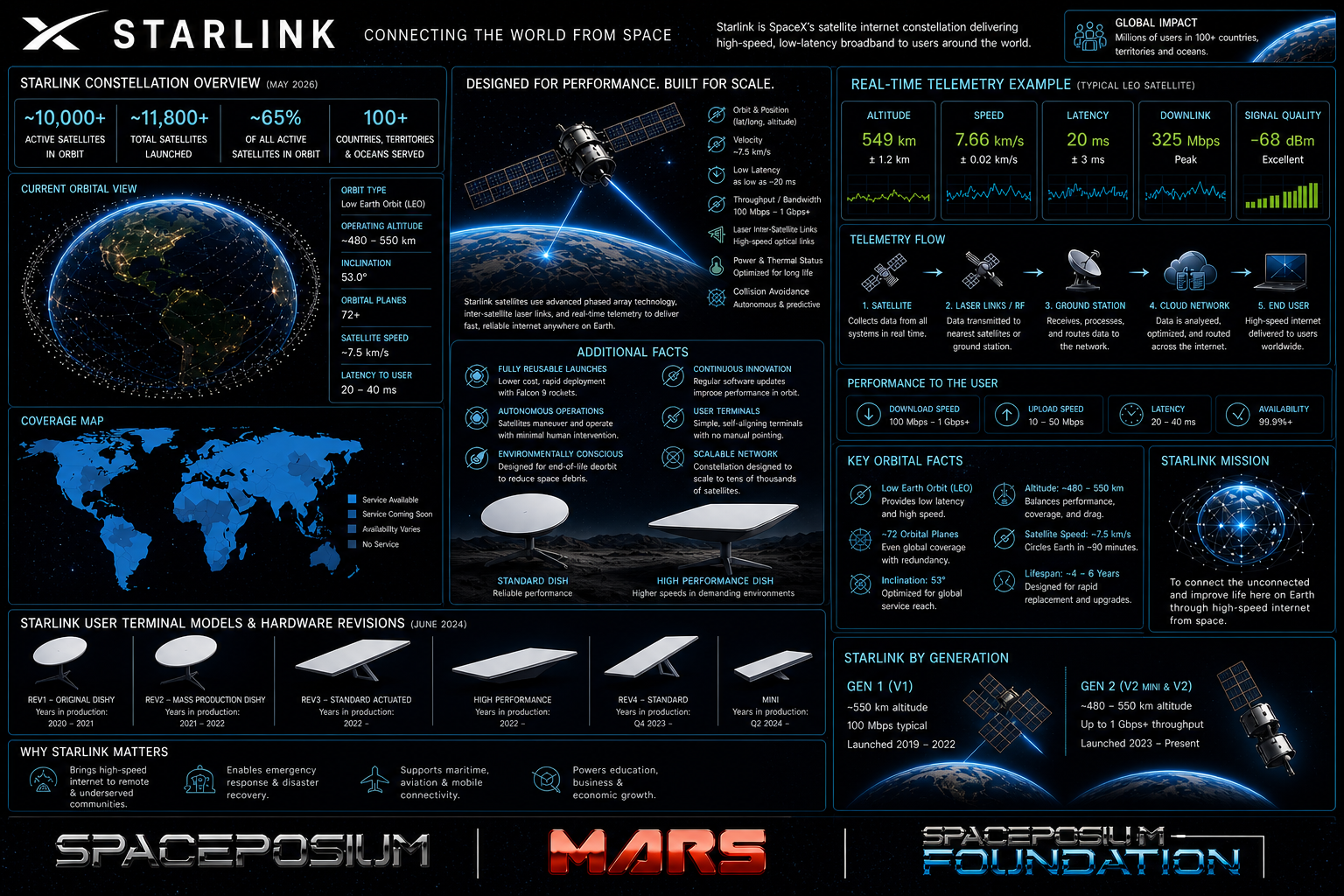
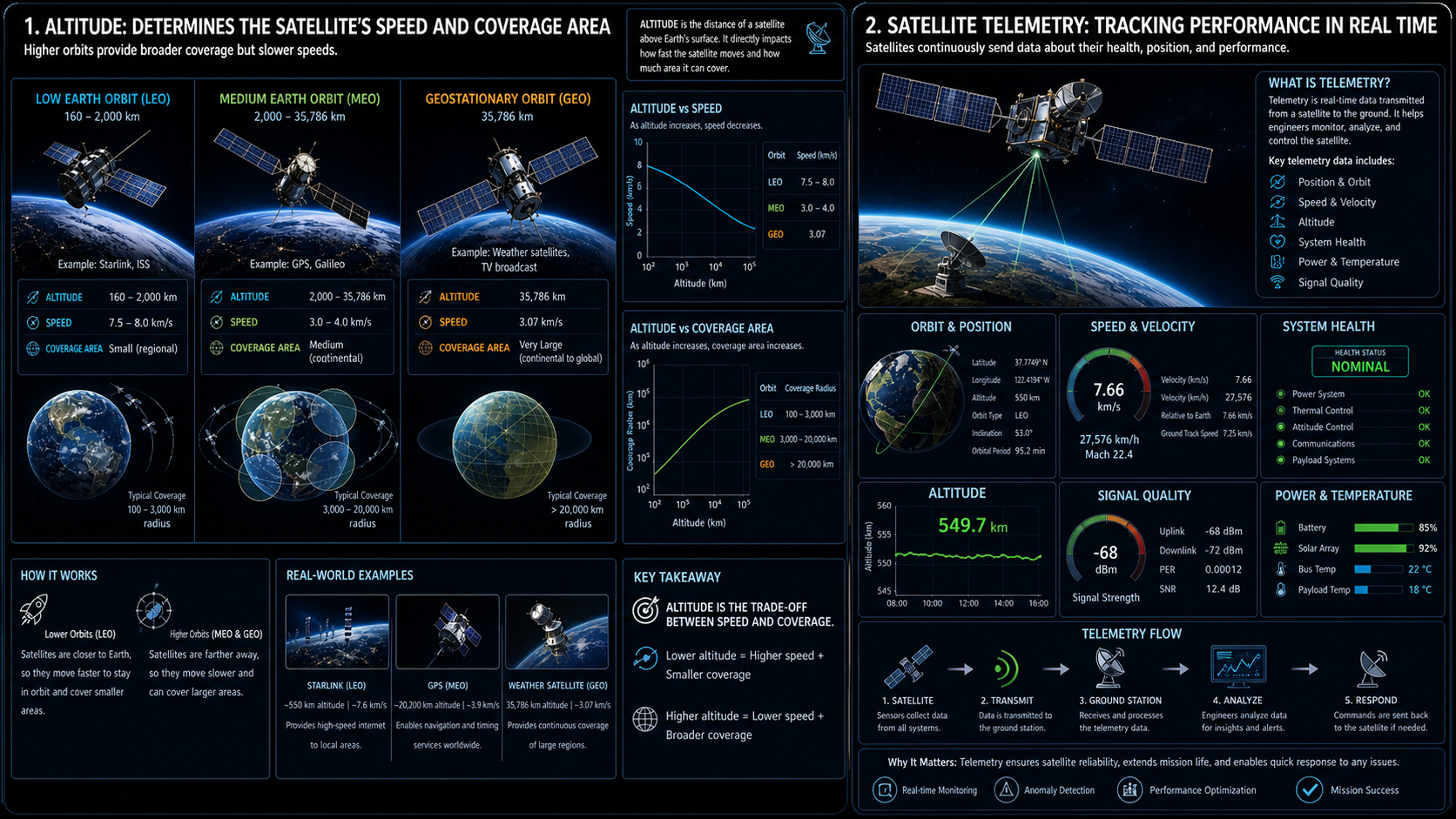
Key insights from NASA, industry leaders, and next-generation satellite networks.
 ▶
▶
 ▶
▶
 ▶
▶
 ▶
▶
 ▶
▶
 ▶
▶
 ▶
▶
 ▶
▶
 ▶
▶
 ▶
▶