

SPACE

COMMUNICATIONS

The invisible infrastructure that connects spacecraft, satellites, ground stations, mission control, and people across Earth orbit and deep space.

How It Works

From Orbit to Earth

Space communications systems transmit commands, telemetry, voice, video, science data, navigation information, and internet traffic through radio frequency and optical links.

Satellite communicating with Earth
01Satellite / SpacecraftCollects and transmits data
02Relay / Laser LinkRoutes signals across space
03Ground StationReceives and uplinks signals
04Network / UserDelivers data to people and systems

Core Technologies

The Communications Stack

Modern space communications combine orbital infrastructure, ground systems, spectrum management, real-time telemetry, and increasingly optical links.

Astronaut using a communications interface
Astronaut Interface
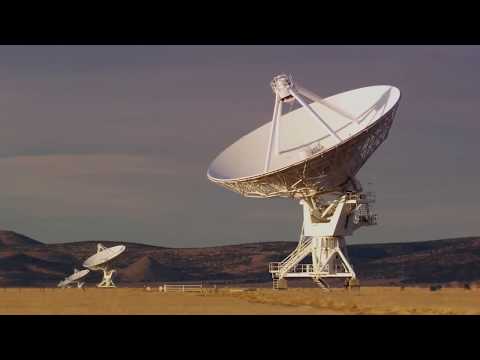
Satellite dish array ground station
Ground Stations
Mission control communications dashboard
Mission Control

RF Communications

Radio frequency systems carry commands, telemetry, voice, video, and mission data through bands such as S, X, Ku, and Ka.

Optical / Laser Links

Laser communications can move larger data volumes through narrow, high-bandwidth beams between spacecraft, relays, and Earth.

Relay Satellites

Relay spacecraft help maintain contact when direct line-of-sight to a ground station is not available.

Ground Stations

Large antennas and gateway terminals receive satellite data, send commands, and connect space systems to terrestrial networks.

Telemetry & Command

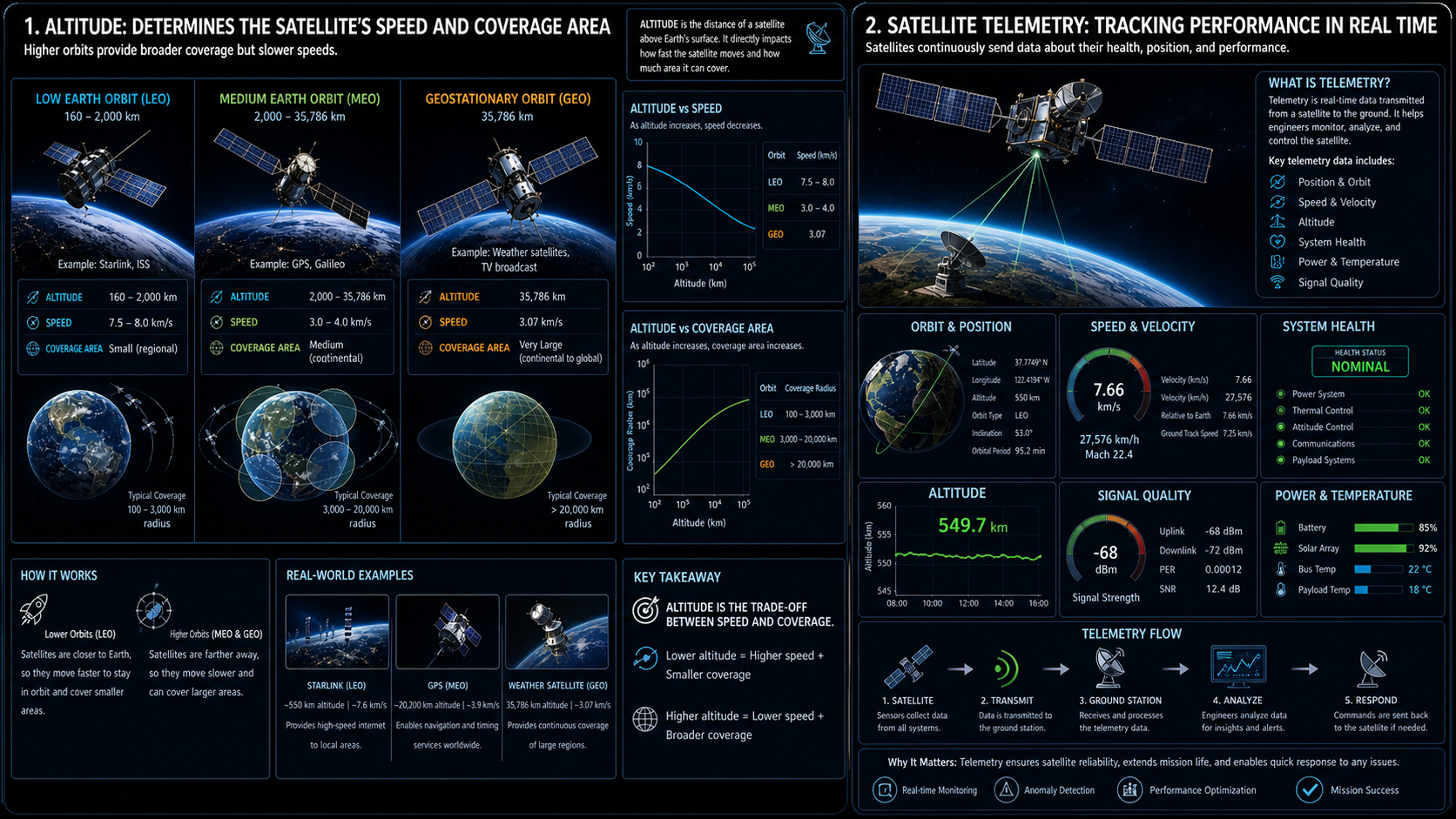
Telemetry reports position, power, temperature, speed, signal quality, and system health for mission control teams.

Direct-to-Device

New satellite networks are moving toward direct links with phones, vehicles, sensors, aircraft, ships, and remote communities.
Why It Matters

Connectivity Is Space Infrastructure

Education AccessSatellite connectivity can bring live learning, STEM content, and digital resources to remote schools.
Mission SafetyReliable command, telemetry, and tracking protect crews, spacecraft, satellites, and mission operations.
Global ResilienceSpace networks support disaster response, remote operations, maritime links, aviation, science, and emergency communications.

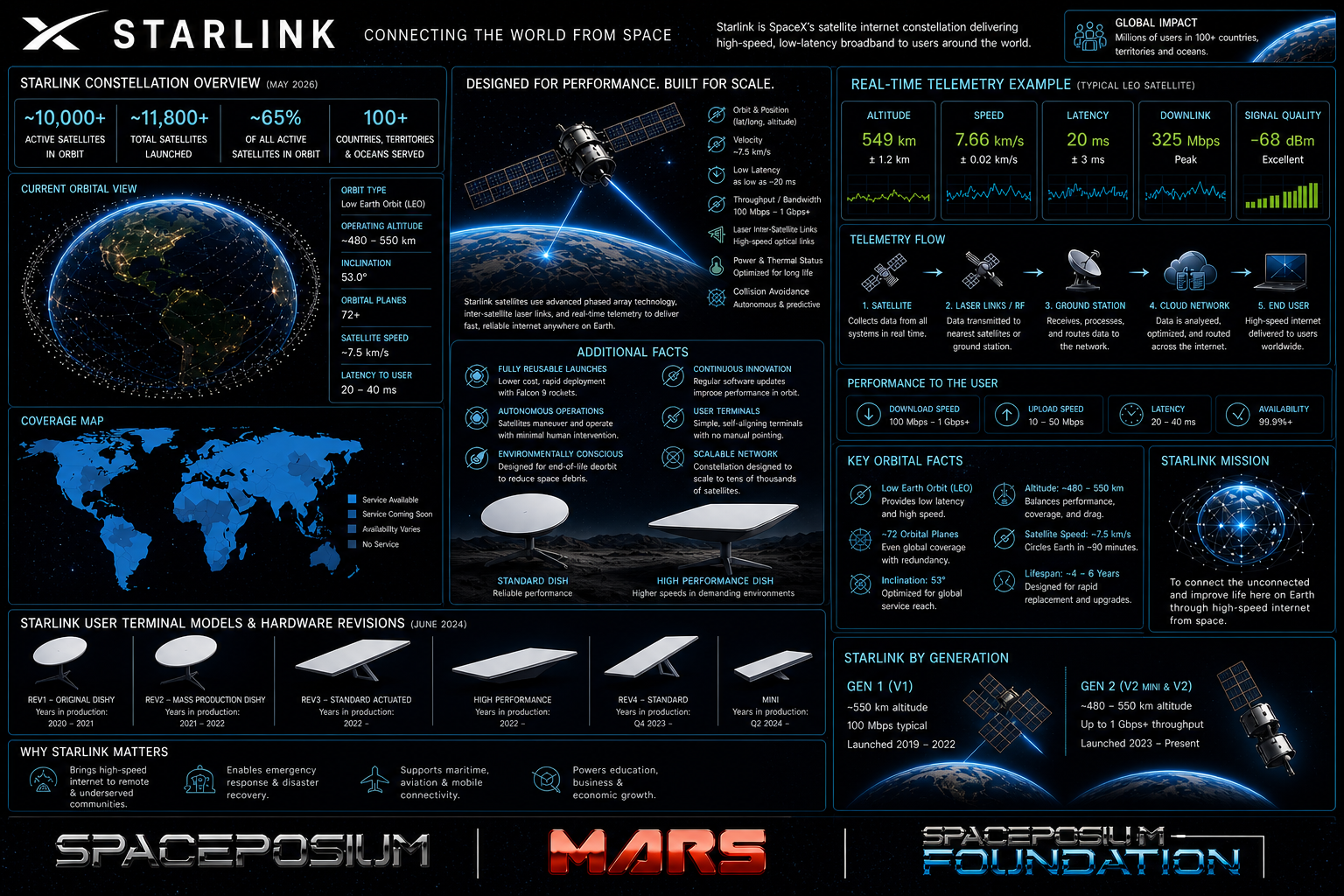
The goal of Starlink is to provide high-speed, low-latency internet access to remote areas around the world, including rural areas and regions without existing internet infrastructure. 

SpaceX Starlink is a satellite internet constellation being developed by SpaceX, the private space exploration company founded by Elon Musk. The goal of Starlink is to provide high-speed, low-latency internet access to remote areas around the world, including rural areas and regions without existing internet infrastructure. The constellation consists of thousands of small satellites in low Earth orbit, which work together to provide seamless coverage and connectivity. 

SpaceX has already launched hundreds of Starlink satellites and is continuing to expand the network, with plans to eventually provide internet access to millions of people around the world.

Space Communications infographic showing satellite telemetry and altitude over LEO, MEO and GEO orbits with green signal and system health.

Space Communications Featured Videos

Key insights from NASA, industry leaders, and next-generation satellite networks.
NASA Space Communications and Navigation video thumbnail

NASA Space Communications & Navigation

Watch
NASA how spacecraft communications work video thumbnail

How Do We Communicate With Spacecraft?

Watch
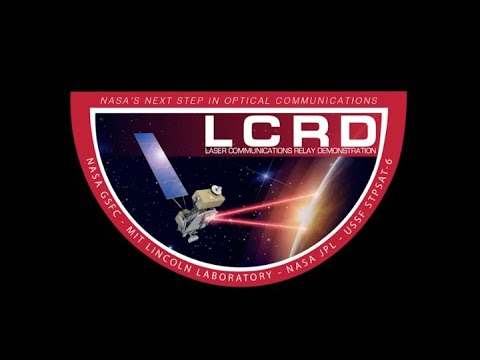
NASA Laser Communications Relay Demonstration video thumbnail

NASA Laser Communications Relay Demonstration

Watch
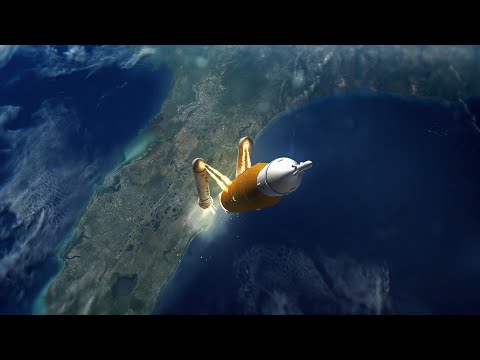
Artemis mission communications video thumbnail

Artemis Mission Communications Explained

Watch
TDRS satellite relay communications video thumbnail

Non-Stop Satellite Communications: TDRS

Watch
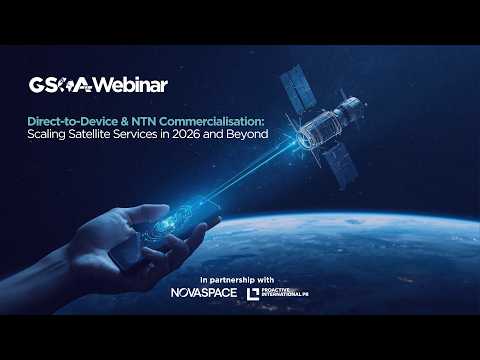
Direct-to-device satellite communications video thumbnail

Direct-to-Device Satellite Communications

Watch